- What Time Does Shabbat Start? Sunset and Candle Lighting Rules
- The Standard 18-Minute Candle Lighting Buffer Explained
- How Sunset and Geography Cause Start Times to Shift Weekly
- Seasonal Differences: Winter vs Summer Shabbat Start Times
- Special Customs: Jerusalem Time and Traveling across Time Zones
- How Shabbat Concludes: Nightfall and Havdalah Timing
- Frequently Asked Questions
- The Bottom Line
What Time Does Shabbat Start? Sunset and Candle Lighting Rules
Quick answer: If you need to know what time does Shabbat start each week, candles are lit 18 minutes before local sunset every Friday evening. Because start times depend on the precise astronomical moment of sunset in your specific city, candle lighting times change continuously throughout the year as seasons progress.
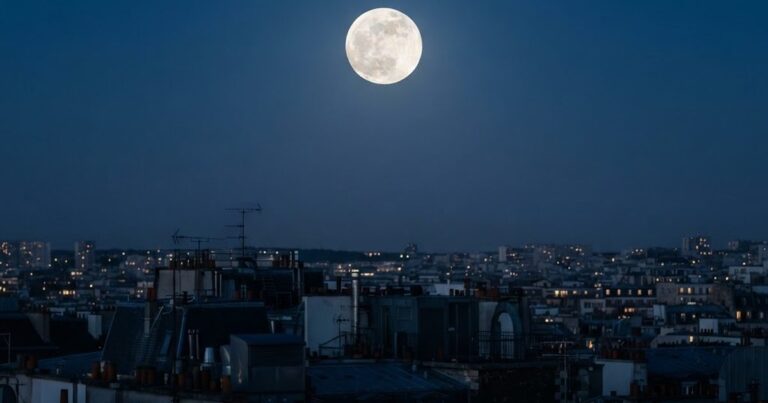
Shabbat, the weekly Jewish day of rest, is observed from Friday evening near sunset through Saturday nightfall. Unlike civil calendar days that begin at midnight, Jewish days begin at dusk. Therefore, determining what time does Shabbat start requires calculating the exact moment of local sunset on Friday in your specific location.
The formal arrival of Shabbat is ushered in through the lighting of candles, a sacred home ritual traditionally performed by the woman of the house or any adult household member. Lighting candles brings peace, warmth, and holiness into the home. Halachic guidelines mandate that candles must be lit before sunset occurs, as kindling a flame after sunset is prohibited on the Sabbath.
To ensure that Sabbath boundaries are respected and that candles are kindled safely prior to dusk, rabbinic authorities established a universal buffer period before sunset. Understanding how this buffer functions allows families to organize Friday afternoon cooking, cleaning, and table preparation without feeling rushed as twilight approaches. Setting aside weekday chores early allows everyone to welcome the Sabbath with tranquility and focused presence.
For a detailed breakdown of home customs, Friday night meals, and Sabbath prayers, explore our extensive Shabbat guide, which provides comprehensive educational resources for beginners and experienced observers alike.
The Standard 18-Minute Candle Lighting Buffer Explained
In almost all Jewish communities around the globe, candle lighting is scheduled exactly 18 minutes before local sunset. This 18-minute window is known in Hebrew as Tosefet Shabbat, meaning the addition to the Sabbath. By accepting the holiness of Shabbat slightly early, observers establish a spiritual protective fence around the day of rest.
Why exactly 18 minutes? Historically, 18 minutes represented a reliable time margin to account for slight clock variations, changing weather conditions, or unexpected delays in Friday afternoon preparation. Additionally, the Hebrew word for life, Chai, has a numerical value of 18, giving this timing tradition deep symbolic resonance. Accepting the Sabbath slightly before sunset demonstrates love and enthusiasm for the holy day rather than treating its arrival as a mere technical deadline.
It is crucial to remember that the listed candle lighting time marks the latest recommended moment to light candles, not the beginning of sunset itself. Once candles are lit, Sabbath rest begins for the person lighting, and routine weekday work activities like cooking, driving, or operating electronics are set aside until Saturday night. If someone in the household has not yet lit candles when the 18-minute mark arrives, candles can still be lit right up until the exact moment of sunset, though doing so right at the margin is discouraged.
For a thorough investigation into the historical and legal origins of this candle lighting tradition, read our companion article on why shabbat candles are lit 18 minutes before sunset.
How Sunset and Geography Cause Start Times to Shift Weekly
A common misconception among newcomers is that Shabbat starts at a fixed hour on the clock, such as 6:00 PM every Friday. In reality, because the start of Shabbat is tied to the sun’s position relative to the horizon, the start time changes every single week of the year as the Earth orbits the sun.
Geography plays a central role in these fluctuations. Because the Earth is spherical and divided into longitude and latitude lines, sunset occurs at different moments in different cities, even within the same time zone. For example, on any given Friday, sunset in eastern coastal cities occurs earlier on the clock than in western cities situated further along the same time zone boundary.
Latitude exerts an even more dramatic effect. Cities located far north of the equator experience wide swings in daylight hours between midwinter and midsummer. Conversely, equatorial regions maintain relatively consistent sunset times throughout the year. As a result, calculating accurate start times requires localized astronomical coordinates for every city, taking into account elevation, horizon topography, and daylight saving time adjustments.
To see how geographical coordinates alter Friday schedules across major metropolitan areas, check out municipal pages like our dedicated guide to Shabbat times in New York.
Seasonal Differences: Winter vs Summer Shabbat Start Times
The difference between winter and summer Shabbat start times can be dramatic depending on your geographical location. In the Northern Hemisphere, winter brings early twilight, causing candle lighting to fall in the afternoon. In summer, extended daylight hours push candle lighting late into the evening.
For instance, in New York City, candle lighting during late December occurs around 4:20 PM. Friday afternoon preparations must be completed during the early afternoon hours, and many workers adjust their schedules or leave offices early to reach home before sunset. By contrast, in late June, New York candle lighting occurs near 8:00 PM, allowing ample evening time to prepare for dinner and welcome guests.
| City / Location | Season / Period | Approximate Sunset | Candle Lighting (18 Min Before) | Seasonal Preparation Notes |
|---|---|---|---|---|
| New York City | Late December (Winter) | 4:38 PM | 4:20 PM | Early afternoon prep required; short Friday daylight hours. |
| New York City | Late June (Summer) | 8:31 PM | 8:13 PM | Late evening start; long afternoon for cooking and resting. |
| Los Angeles | Late December (Winter) | 4:48 PM | 4:30 PM | Mild winter twilight; early family dinner schedule. |
| Los Angeles | Late June (Summer) | 8:08 PM | 7:50 PM | Extended daylight hours; evening synagogue services. |
| Jerusalem | Late December (Winter) | 4:40 PM | 4:00 PM (40 Min Custom) | Special 40-minute buffer observed customarily in Jerusalem. |
| Jerusalem | Late June (Summer) | 7:48 PM | 7:08 PM (40 Min Custom) | Extended summer twilight; earlier candle lighting buffer. |
In high-latitude northern cities such as London, Toronto, or Edmonton, winter sunset can occur as early as 3:30 PM, while summer sunset can extend past 9:00 PM. During peak summer months, some communities adopt early Shabbat options (Plag HaMincha), allowing candles to be lit up to an hour and a quarter before sunset so families can dine together without waiting until very late in the evening.
Managing these seasonal transitions requires clear weekly scheduling. Households often keep a printed calendar on the refrigerator or check digital tools every Thursday evening to plan food preparation, shopping, and family travel accordingly.
Special Customs: Jerusalem Time and Traveling across Time Zones
While the 18-minute candle lighting buffer is standard across most of the world, certain communities observe localized customs based on ancient tradition or unique geographical considerations.
The most famous exception is Jerusalem. In Jerusalem, the widespread custom is to light Shabbat candles 40 minutes before sunset rather than 18 minutes. This longstanding custom stems from centuries of tradition honoring the holy city, ensuring an extra measure of sanctity and safety as Friday draws to a close. Certain other communities in Israel, such as Petah Tikva, Safed, and parts of Haifa, also observe 30-minute or 40-minute buffers.
Travelers face additional timing considerations when crossing time zones or international borders on Friday. When traveling, Shabbat candle lighting always follows the local sunset time of your actual physical location at that moment, regardless of where your journey began or where your home community is located. If you fly west on Friday, sunset is delayed on the clock; if you fly east, sunset arrives faster.
If you are aboard an airplane, train, or cruise ship at sunset, specific halachic guidance governs how and when candle lighting or Sabbath acceptance should be handled. In situations where lighting a real candle with fire is impossible due to transportation safety rules, electric lights or mental acceptance of Shabbat may be utilized under competent rabbinic direction.
How Shabbat Concludes: Nightfall and Havdalah Timing
Just as determining what time does Shabbat start depends on Friday sunset, knowing when Shabbat ends depends on Saturday nightfall. Shabbat officially concludes when three small stars become visible in the night sky, an astronomical threshold known in Hebrew as Tzeit HaKochavim.
Depending on geographical latitude, seasonal solar angles, and local rabbinic custom, nightfall occurs between 42 minutes and 72 minutes after sunset on Saturday evening. Some communities follow a fixed duration after sunset, such as 42, 50, or 60 minutes, while others adhere to strict astronomical calculations of solar depression angles below the horizon (such as 8.5 degrees or Rabbeinu Tam’s 72-minute threshold).
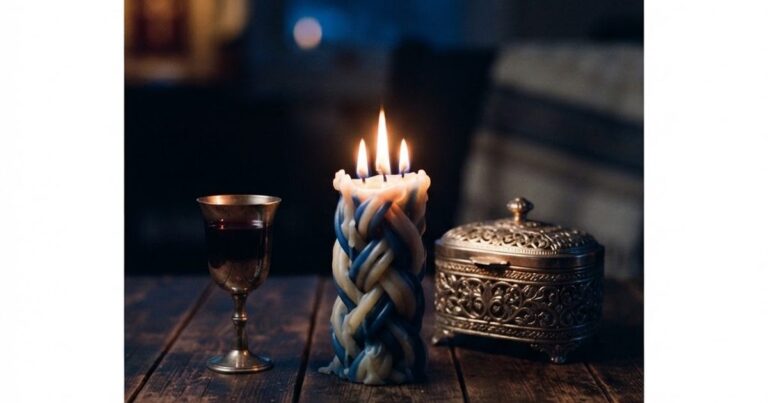
When nightfall arrives, the multi-sensory Havdalah ceremony is performed to mark the boundary between sacred Sabbath time and the upcoming workweek. The ceremony involves reciting blessings over an overflowing cup of wine or grape juice, fragrant spices to revive the soul, and a braided multi-wick candle whose flame illuminates the night. Following Havdalah, weekday activities like driving, cooking, and using mobile phones resume.
Understanding the full cycle from Friday evening candle lighting through Saturday evening Havdalah creates a harmonious rhythm that structures the entire week, providing physical rest and spiritual renewal for families and individuals alike.
Frequently Asked Questions
What happens if I light Shabbat candles after sunset?
Candles must be lit before sunset because lighting fire on Shabbat is prohibited once sunset passes.
Why is Jerusalem candle lighting 40 minutes before sunset?
Jerusalem follows an ancient local custom of adding a 40-minute buffer to honor the holy city.
Do Shabbat start times change if Daylight Saving Time changes?
Yes, civil clock shifts alter local candle lighting times by an hour, matching local sunset.
How can I find exact Shabbat start times for my city?
You can enter your location into our free online candle lighting calculator for precise weekly times.
The Bottom Line
Understanding what time does Shabbat start ensures that your home is prepared to welcome the Sabbath with serenity and joy every Friday evening. By lighting candles 18 minutes before local sunset, you participate in an unbroken tradition spanning thousands of years across Jewish communities worldwide.
To find the exact candle lighting and Havdalah times for your city this week, visit our free Shabbat candle lighting times calculator and plan your Friday schedule with complete peace of mind.