When Is Hanukkah 2026? Exact Dates and Schedule
Quick answer: For anyone asking when is Hanukkah 2026, the eight-day festival of lights begins at sunset on Friday, December 4, 2026, when the first candle is lit. The holiday continues through Saturday, December 12, 2026, with the eighth and final night falling on Friday evening, December 11.
The festival of Hanukkah, also known as the Festival of Lights, is one of the most cherished observances in Jewish tradition. If you are planning family gatherings, community events, or winter travel, knowing exactly when is Hanukkah 2026 helps ensure that all preparations are organized well in advance.
In 2026, Hanukkah begins on Friday evening, December 4. On this night, families gather near sunset to light the helper candle, known as the shamash, alongside the first official holiday candle. Because the Jewish day begins at sunset rather than midnight, the first full day of Hanukkah is Saturday, December 5, 2026. The eight-day celebration continues through the week and officially concludes at nightfall on Saturday, December 12, 2026.
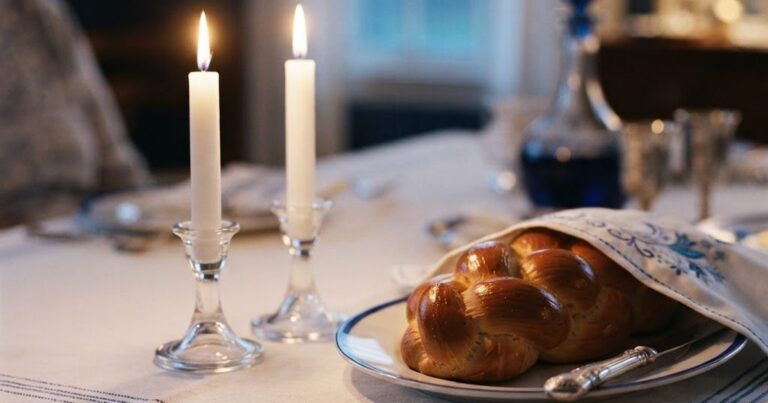
Because the first night of Hanukkah in 2026 coincides with Friday evening, special timing rules apply to candle lighting. On Friday night, the Hanukkah candles must be lit prior to the weekly Shabbat candles, before sunset arrives. This ensures that no fire is kindled after the Sabbath officially commences. Following these traditional guidelines connects ancient holiday practices with weekly Sabbath routines seamlessly.
For individuals and families tracking the full annual schedule of observances, consulting our comprehensive Jewish holidays page provides helpful context on how Hanukkah fits alongside autumn and spring celebrations throughout the year.
Why Hanukkah Dates Change Every Year on the Civil Calendar
People often wonder why Hanukkah appears on different civil dates each year, sometimes occurring in late November and other times falling late in December. The explanation lies in the structure of the Jewish calendar itself, which operates on a lunisolar system rather than a purely solar cycle.
While the standard Gregorian calendar used around the world follows the 365-day solar year, the Jewish calendar tracks lunar months lasting 29 or 30 days. On the Jewish calendar, Hanukkah always begins on the same exact Hebrew date: the 25th day of the month of Kislev. However, because twelve lunar months sum to approximately 354 days, a standard Jewish year is about eleven days shorter than a solar year.
To keep lunar months aligned with solar seasons, the Jewish calendar incorporates a nineteen-year cycle containing seven leap years. During a leap year, an additional 30-day month named Adar I is inserted. As a direct result of this periodic adjustment, Hanukkah shifts backward and forward relative to the Gregorian calendar each winter. You can use our free Jewish date converter to explore how any civil date converts into its exact Hebrew equivalent across past, present, and future years.
The Eight-Night Candle Lighting Schedule for 2026
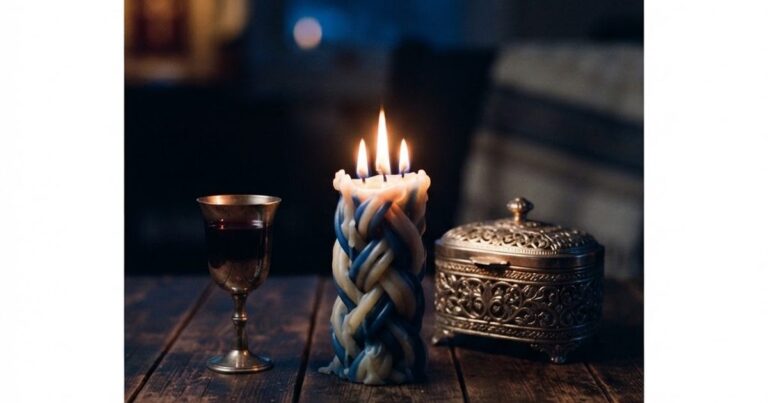
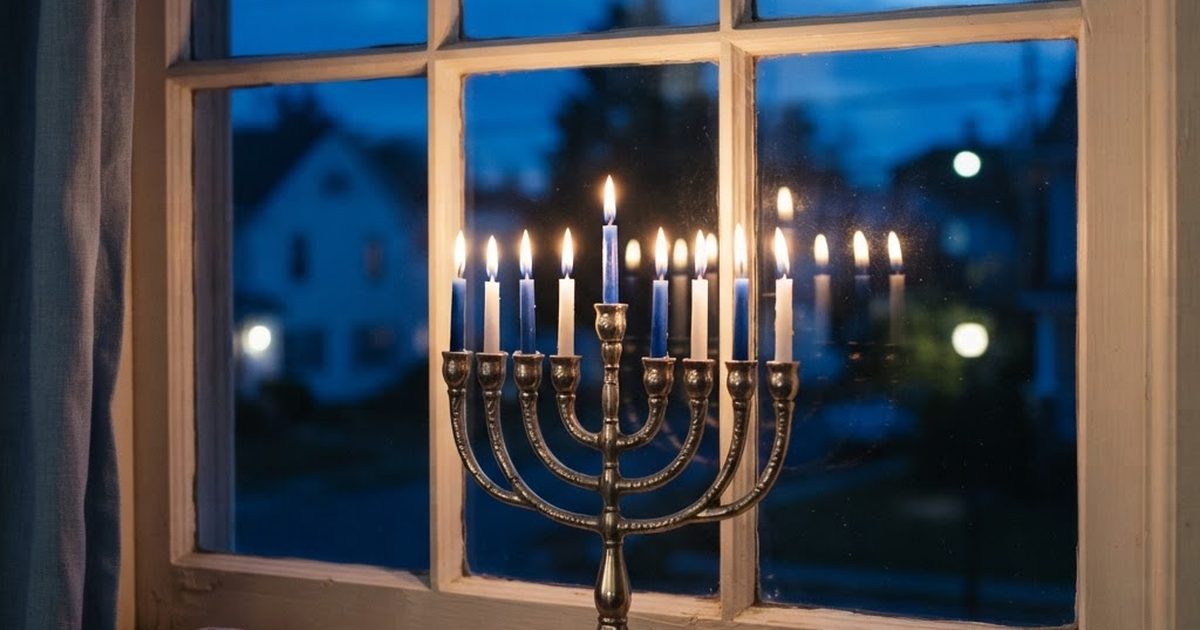
Lighting the menorah, or chanukiah, represents the primary mitzvah of Hanukkah. Each night of the festival, an additional candle is added from right to left across the menorah and lit from left to right using the shamash helper candle. Below is the complete night-by-night schedule for Hanukkah in 2026.
| Night | Civil Date (Evening) | Candles Lit (Including Shamash) | Special Timing Notes |
|---|---|---|---|
| Night 1 | Friday, December 4, 2026 | 2 candles (1 + Shamash) | Light before Shabbat candle lighting times |
| Night 2 | Saturday, December 5, 2026 | 3 candles (2 + Shamash) | Light after Shabbat ends at nightfall |
| Night 3 | Sunday, December 6, 2026 | 4 candles (3 + Shamash) | Light at nightfall or after sunset |
| Night 4 | Monday, December 7, 2026 | 5 candles (4 + Shamash) | Light at nightfall or after sunset |
| Night 5 | Tuesday, December 8, 2026 | 6 candles (5 + Shamash) | Light at nightfall or after sunset |
| Night 6 | Wednesday, December 9, 2026 | 7 candles (6 + Shamash) | Light at nightfall or after sunset |
| Night 7 | Thursday, December 10, 2026 | 8 candles (7 + Shamash) | Light at nightfall or after sunset |
| Night 8 | Friday, December 11, 2026 | 9 candles (8 + Shamash) | Light before Shabbat candle lighting times |
In 2026, two of the eight candle lighting evenings occur on Friday nights: December 4 and December 11. On both of these evenings, Hanukkah candles are lit shortly before standard Sabbath candles. On Saturday evening, December 5, the second night candles are lit only after Shabbat concludes and Havdalah is recited. Checking local sunset times on our Shabbat candle lighting times page helps keep your Friday and Saturday candle schedules perfectly synchronized.
Essential Hanukkah Traditions and Customs
Hanukkah commemorates the military victory of the Maccabees over Seleucid forces in the second century BCE, alongside the rededication of the Holy Temple in Jerusalem. Traditional accounts record that a single flask of pure olive oil found in the Temple miraculously burned for eight full days, providing enough light until fresh consecrated oil could be prepared.
Because oil plays such an essential role in the historical miracle of Hanukkah, traditional holiday foods are customarily fried in oil. Popular foods and customs enjoyed across Jewish communities include:
- Potato Latkes: Savory, crispy fried potato pancakes served warm with applesauce or sour cream.
- Sufganiyot: Soft, jelly-filled fried donuts dusted with powdered sugar, widely enjoyed in Israel and worldwide.
- Dreidel Games: A four-sided spinning top game marked with Hebrew letters (Nun, Gimel, Hei, Shin), standing for the phrase “a great miracle happened there.” Chocolate coins, known as gelt, serve as tokens during play.
- Lighting in Windows: Menorahs are traditionally placed in front windows or near doorways to publicize the miracle of the oil to the outside world.
- Family Blessings and Songs: Blessings are recited over the candles, followed by cheerful traditional songs like Maoz Tzur and the exchange of holiday gifts or coins.
While specific customs vary between Ashkenazi, Sephardic, and Mizrahi heritage groups, the overarching focus remains on expressing gratitude, sharing light, and celebrating religious freedom with family and community.
Looking Ahead: When Is Hanukkah 2027?
Planning family events often requires comparing holiday schedules across multiple calendar years. Because Hebrew year 5787 is a leap year, an extra month is inserted into the calendar cycle, pushing subsequent holidays later on the civil calendar in 2027.
In 2027, Hanukkah will begin unusually late in the month of December. The first candle of Hanukkah 2027 will be lit on Friday evening, December 24, 2027. Consequently, the eight-day festival will span Christmas Eve, Christmas Day, and New Year’s Eve, officially concluding on Saturday, January 1, 2028.
Comparing 2026 and 2027 highlights how fluid the lunisolar calendar can appear from a civil perspective. Whether Hanukkah arrives in early December as it does in 2026 or aligns with late December as in 2027, preparing your menorah, candles, and holiday menu ahead of time guarantees a seamless celebration.
Frequently Asked Questions
What date does Hanukkah start in 2026?
Hanukkah starts on the evening of Friday, December 4, 2026, when the first candle is lit at sunset.
What time should Hanukkah candles be lit on Friday nights?
On Friday nights during Hanukkah, candles must be lit before sunset and before lighting weekly Shabbat candles.
How many candles are lit on the last night of Hanukkah?
On the eighth and final night, all nine candle holders are filled, including eight holiday candles and the shamash helper candle.
Why does Hanukkah fall on different civil dates each year?
Hanukkah follows the Jewish lunisolar calendar, where the holiday always begins on 25 Kislev, shifting relative to the Gregorian solar calendar.
The Bottom Line
Knowing when is Hanukkah 2026 enables you to organize holiday meals, gather with friends and family, and stock up on menorah candles well in advance. Mark Friday evening, December 4, 2026, on your calendar as the official start of this joyous eight-day celebration.
To stay prepared for all upcoming festivals and fast days, explore our main Jewish holidays calendar to verify dates, candle lighting times, and traditional practices for years to come.