- Shemini Atzeret Simchat Torah 2026 Dates and Overview
- Understanding Shemini Atzeret: The Eighth Day of Assembly
- Understanding Simchat Torah: Celebrating the Torah Reading Cycle
- Key Differences: Diaspora Observance vs Israel Observance
- Popular Customs: Hakafot Dancing, Flags, and Festive Meals
- Looking Ahead: Shemini Atzeret and Simchat Torah in 2027
- Frequently Asked Questions
- The Bottom Line
Shemini Atzeret Simchat Torah 2026 Dates and Overview
Quick answer: For those inquiring about shemini atzeret simchat torah 2026, Shemini Atzeret begins at sunset on Friday, October 2, 2026, and is observed on Saturday, October 3. In the Diaspora, Simchat Torah immediately follows, beginning at sunset on Saturday, October 3, and concluding at nightfall on Sunday, October 4, 2026.
As the autumn holiday season reaches its climax, the Jewish calendar transitions from the outdoor dwelling of Sukkot into two distinct yet closely connected festive days. Understanding the exact schedule for shemini atzeret simchat torah in 2026 helps communities and families prepare for synagogue services, festive meals, and joyous celebrations.
In 2026, the harvest festival of Sukkot runs from Friday evening, September 25, through Friday, October 2, concluding with the seventh day known as Hoshana Raba. As sunset arrives on Friday, October 2, the holiday of Shemini Atzeret officially commences. The full day of Shemini Atzeret is Saturday, October 3, 2026. In Diaspora Jewish communities outside Israel, Simchat Torah begins immediately at sunset on Saturday, October 3, and runs through nightfall on Sunday, October 4, 2026.
These two days mark a emotional transition in the Jewish year. While Sukkot centers around agricultural blessings, universal prayers for all nations, and dwelling in temporary booths, Shemini Atzeret and Simchat Torah focus on an intimate spiritual connection with the Creator and exuberant celebration of the Torah scroll.
To explore how these autumn observances relate to winter and spring holidays, browse our complete Jewish holidays directory, which outlines the full annual cycle of sacred dates and customs.
Understanding Shemini Atzeret: The Eighth Day of Assembly
The name Shemini Atzeret translates literally from Hebrew as “the eighth day of assembly.” Biblical sources designate this day as an independent holiday coming immediately after the seven days of Sukkot. Traditional commentaries describe Shemini Atzeret as an intimate gathering where the Jewish people linger one final day after the expansive outdoor celebrations of the harvest festival.
Although Shemini Atzeret follows Sukkot directly, many major Sukkot commandments cease. For example, blessings over the lulav and etrog are no longer recited. In many communities, meals are still eaten inside the sukkah booth on Shemini Atzeret without reciting the traditional dwelling blessing, while in other traditions, meals move fully back indoors.
A primary liturgical feature of Shemini Atzeret morning services is Tefillat Geshem, the solemn prayer for rain. Recited in Israel and the Diaspora, this prayer requests sufficient winter rainfall for the Land of Israel, establishing a agricultural and spiritual link with the land for the coming year. Yizkor memorial prayers are also recited in Diaspora synagogues during Shemini Atzeret morning services.
Understanding Simchat Torah: Celebrating the Torah Reading Cycle
Simchat Torah translates to “Rejoicing of the Torah.” It marks the completion of the annual public reading of the Five Books of Moses and the immediate beginning of the new cycle. Every week throughout the year, synagogues read a designated portion, known as a parashah, sequentially from Genesis through Deuteronomy.
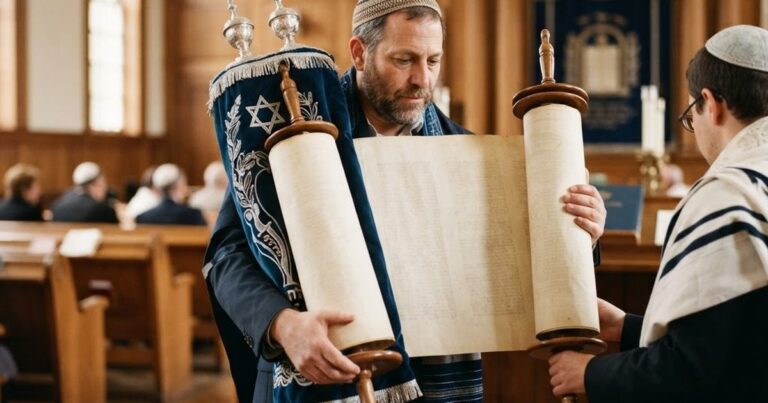
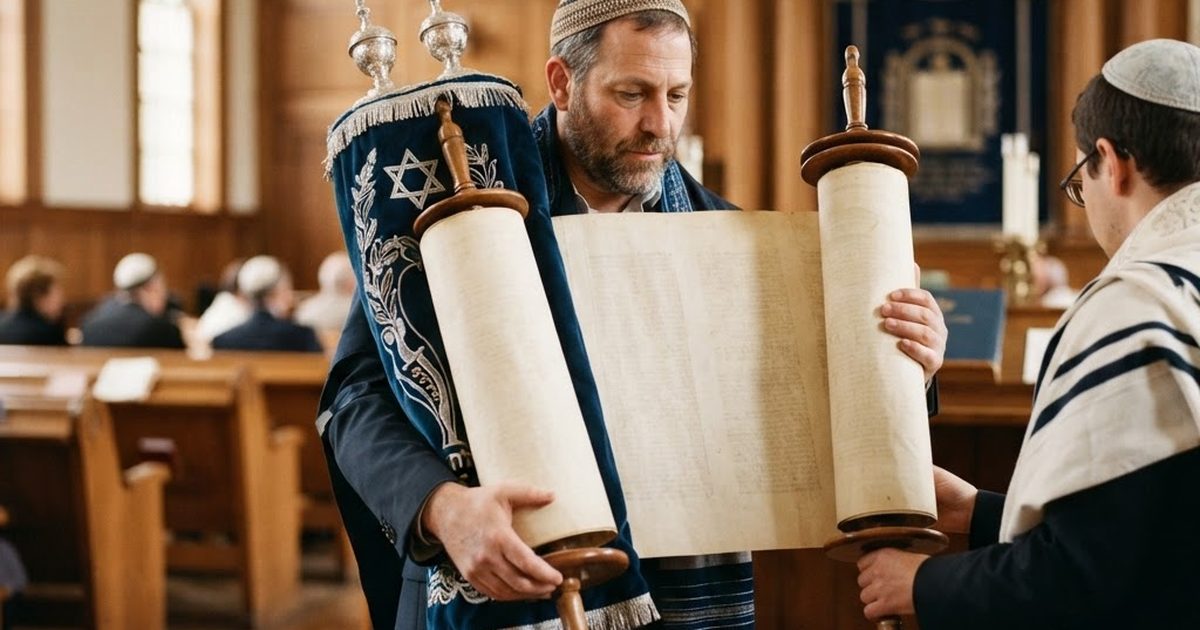
On Simchat Torah, the final verses of Deuteronomy (Parashat V’Zot HaBerachah) are read aloud from the scroll. Immediately following this reading, another Torah scroll is unrolled to read the opening verses of Genesis (Parashat Bereshit). This instant transition ensures that the study and chanting of Torah never stops, symbolizing an endless circle of learning and devotion.
Two honored congregants are selected for special honors during these services. The person called to complete the final portion of Deuteronomy is designated as the Chatan Torah (Bridegroom of the Torah), while the person called to read the beginning of Genesis is known as the Chatan Bereshit (Bridegroom of Genesis). In egalitarian communities, parallel female honors named Kallat Torah and Kallat Bereshit are awarded.
Key Differences: Diaspora Observance vs Israel Observance
One of the most unique aspects of Shemini Atzeret and Simchat Torah is how their calendar structure varies based on geographic location. In Israel, major biblical holidays last one day, whereas in Diaspora communities outside Israel, traditional practice observes two days for major festivals.
| Location | Calendar Date (2026) | Holiday Name Observed | Primary Activities & Focus |
|---|---|---|---|
| Israel | Sunset Oct 2 – Sunset Oct 3 | Shemini Atzeret & Simchat Torah (Combined) | Prayer for rain, Yizkor, Hakafot dancing, completing and restarting Torah reading all on one day. |
| Diaspora (Day 1) | Sunset Oct 2 – Sunset Oct 3 | Shemini Atzeret | Prayer for rain, Yizkor prayers, festive holiday meals, lingering after Sukkot. |
| Diaspora (Day 2) | Sunset Oct 3 – Nightfall Oct 4 | Simchat Torah | Hakafot dancing with scrolls, candy for children, completing Deuteronomy and beginning Genesis. |
Because Israel combines both observances into a single 24-hour period, Israelis celebrate Hakafot dancing and the completion of the Torah reading on Saturday, October 3, 2026. Diaspora communities celebrate Shemini Atzeret on Saturday, October 3, and save the exuberant Simchat Torah dancing and Torah completion for Sunday, October 4, 2026.
Understanding these calendar rules is helpful for travelers and families with relatives overseas. For additional background on how the lunisolar calendar governs holiday dates and lengths, read our introductory guide on how the Jewish calendar works.
Popular Customs: Hakafot Dancing, Flags, and Festive Meals
Simchat Torah is renowned for its joyful, energetic atmosphere in synagogues worldwide. The atmosphere transforms the prayer sanctuary into a venue of song, dance, and community unity. Core customs enjoyed during the holiday include:
- Hakafot (Festive Processions): All Torah scrolls are removed from the ark and carried in seven joyous circuits around the sanctuary. Congregants of all ages dance, sing, and celebrate around the scrolls.
- Children’s Flags and Scrolls: Children process alongside adults holding colorful paper flags, often topped with an apple or small candle, or carrying toy Torah scrolls.
- Aliyot for Everyone: In many synagogues, the Torah reading is repeated multiple times so that every adult present receives an aliyah (being called up to the Torah). A collective aliyah called Kol HaNe’arim (All the Youths) gathers all children under a large prayer shawl for a special blessing.
- Festive Meals and Sweets: Families enjoy lavish festive holiday meals at home, and children are traditionally given candies and treats during synagogue services.
Following the autumn holidays, the calendar moves into late autumn and early winter. You can learn about the next major holiday on the schedule by reading our detailed article on when is Hanukkah 2026.
Looking Ahead: Shemini Atzeret and Simchat Torah in 2027
Because the Hebrew calendar uses a 19-year leap year cycle, festival dates move on the Gregorian civil calendar from year to year. In Hebrew year 5787, an extra month is inserted into the calendar, which moves autumn festivals later on the civil calendar in 2027.
In 2027, Sukkot concludes later in October. Shemini Atzeret begins on Friday evening, October 22, 2027, with the main day observed on Saturday, October 23, 2027. Simchat Torah in the Diaspora begins on Saturday evening, October 23, and continues through Sunday, October 24, 2027.
Comparing 2026 dates (October 3-4) with 2027 dates (October 23-24) illustrates how leap years reset the alignment between lunar months and solar seasons, ensuring that autumn holidays remain rooted in the fall harvest period.
Frequently Asked Questions
Are Shemini Atzeret and Simchat Torah the same holiday?
In the Diaspora they are observed as two consecutive days, while in Israel both holy days are combined into a single 24-hour period.
What are Hakafot on Simchat Torah?
Hakafot are seven festive procession circuits where congregants carry Torah scrolls around the synagogue while singing and dancing.
Is Yizkor recited on Shemini Atzeret or Simchat Torah?
Yizkor memorial prayers are recited during morning services on Shemini Atzeret in Diaspora communities and on the combined holiday in Israel.
Do you sit in the sukkah on Shemini Atzeret?
Many Diaspora communities traditionally eat meals in the sukkah on Shemini Atzeret without saying the blessing, while others eat indoors.
The Bottom Line
Shemini Atzeret and Simchat Torah in 2026 bring the autumn holiday season to a joyous conclusion on October 3 and October 4. Whether reflecting quietly during Shemini Atzeret prayers or dancing with Torah scrolls on Simchat Torah, these days offer deep spiritual renewal.
To stay updated on upcoming candle lighting times, holiday schedules, and traditional practices, visit our central Jewish holidays directory for comprehensive calendar resources.